
Arrow keys / WASD: follow Miku's vocal chart. Enter: confirm the menu. Escape: pause or go back when supported. Use the vocal rise to prepare, then wait for the receptor before pressing.

FNF Vs. Huggy Wuggy Redux
Hot

FNF vs Impostor Among Us V3
Hot
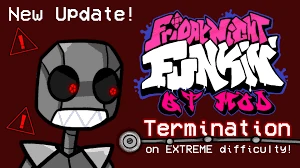
FNF QT Mod – Termination on Extreme difficulty!
Hot

Wii Funkin' – VS Matt V3
Hot

FnF: Sarvente vs Taki Sing Crucify
New

Friday Night Funkin'
Top rated

Friday Night Funkin VS Garcello
Top rated
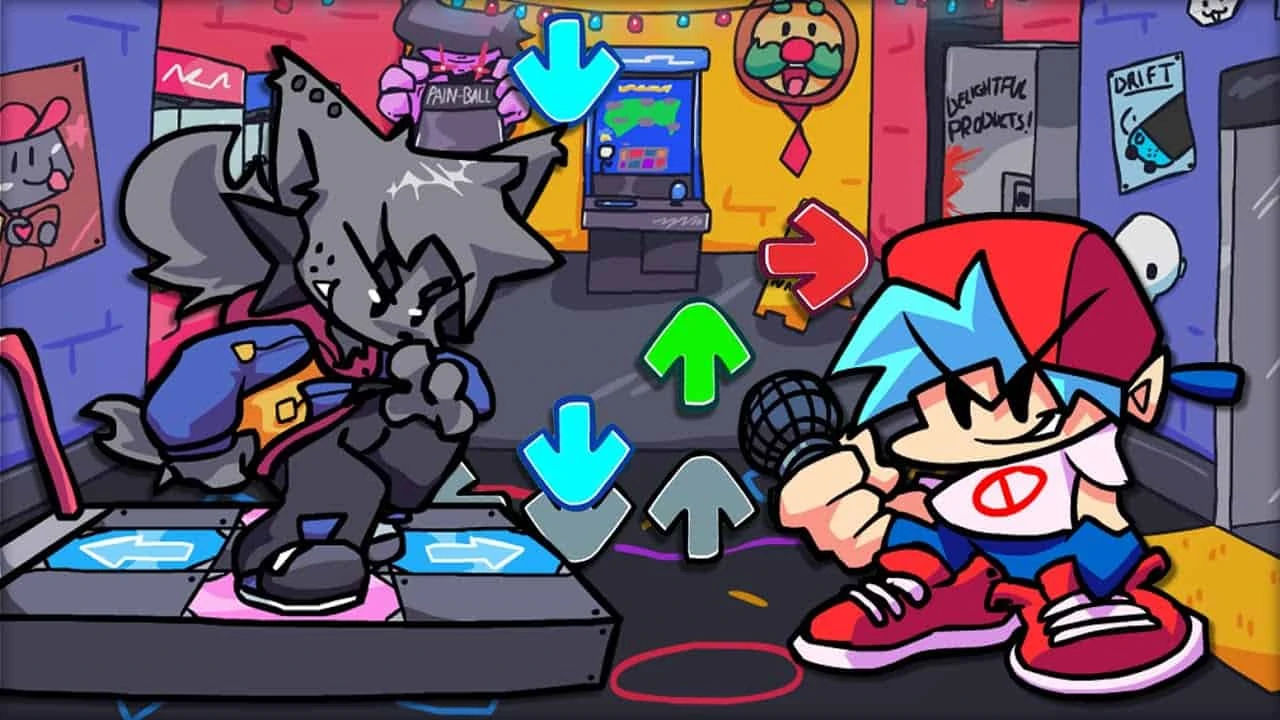
Friday Night Funkin VS. KAPI v2
Top rated

FNF vs Baldi's Basics in Funkin
New

FNF Yararara
Top rated

FNF vs Sky HD
New
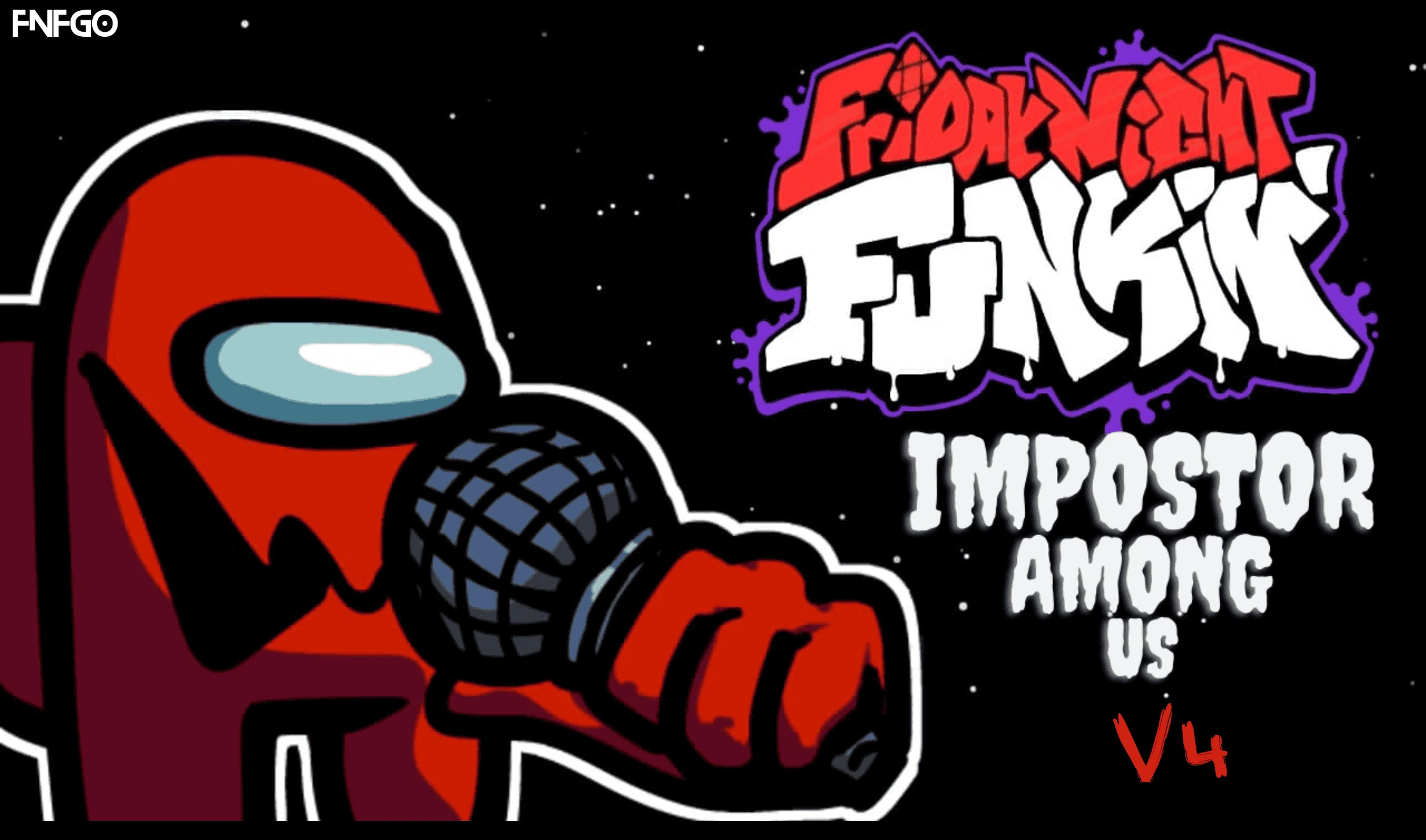
FNF vs Impostor Among Us V4
Top rated
FNF SOSORRY! / Hatsune Miku
Rating:
0.0 (0 votes)
Released:
September 2026
Technology:
HTML5
Platforms:
Browser (desktop, mobile, tablet)
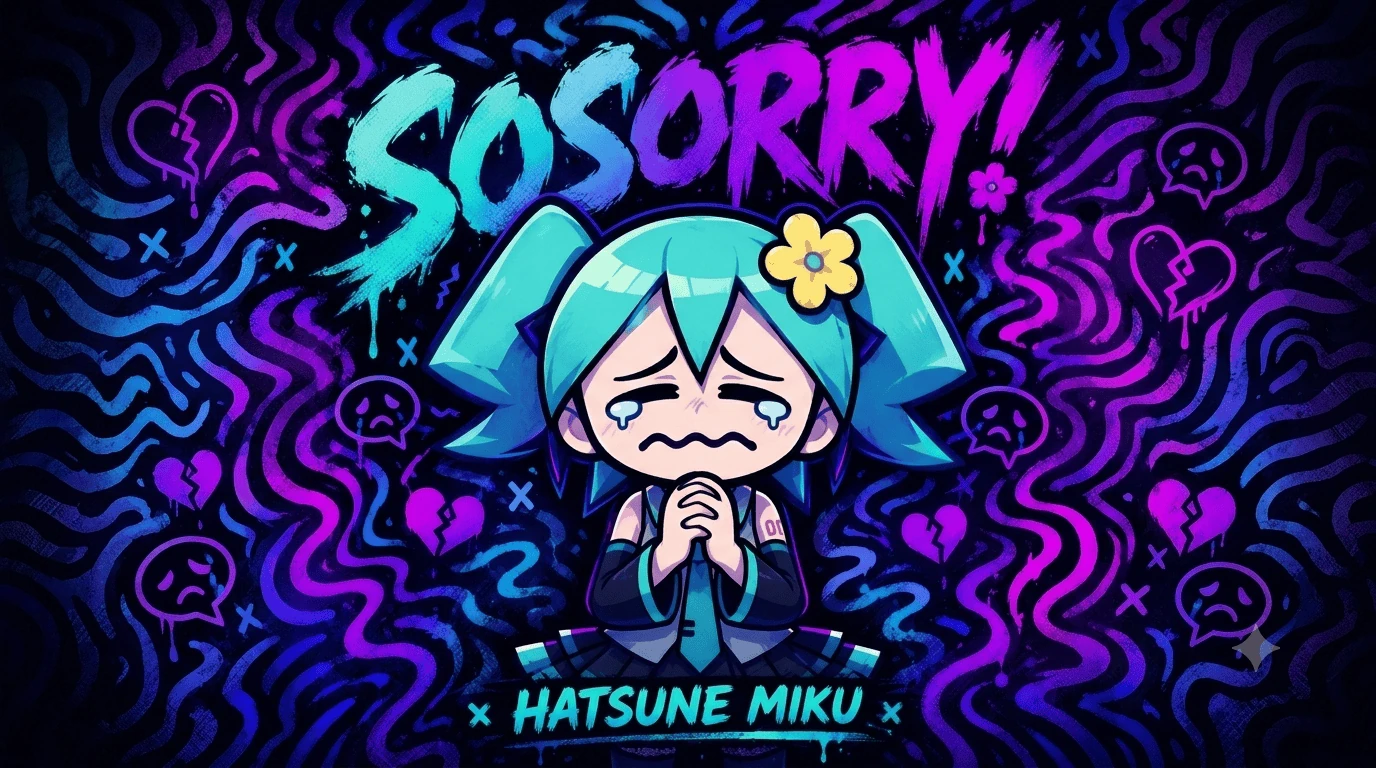
FNF SOSORRY! / Hatsune Miku is a music-first Friday Night Funkin chart built around the song “SOSORRY.” The page credits ePiaeon for the music, its_sherboi for the movie, and Hatsune Miku and ePiaeon for the vocals. Instead of using a large crossover story, the performance stays close to the song's emotional subject: repeated apologies, loneliness, and the effort to keep going while a voice questions its own place.
The Mood Behind SOSORRY
The lyrics describe a person who keeps apologizing, feels replaceable, and hides difficult thoughts behind a smile. You do not need to reproduce or memorize the words to play, but the emotional arc explains the chart's changing energy. Softer lines leave room to settle your hand, while the returning chorus pushes the player toward denser note groups and longer concentration.
Hatsune Miku carries the recognizable Vocaloid presence, with ePiaeon also credited on vocals. The animated presentation gives the track a visual identity, but the strongest gameplay cue remains the beat. Treat the image and the message as atmosphere, then use the receptors to make every input decision.
How to Play FNF SOSORRY
Start the song and match Arrow keys or WASD to the notes when they meet the receptors. Enter confirms the menu, and Escape pauses or goes back when the browser build supports it. Keep the audio audible enough to hear the shift from a quiet verse to the more urgent chorus. The voice can tell you that a change is close, but the lane tells you which key to press.
During a calm line, avoid tapping ahead simply because you recognize the melody. Wait for the arrow to reach the target and use the empty space to return your fingers to neutral. When the chorus repeats, compare the actual lane order with the previous pass; a familiar vocal phrase can still be charted with a different hand movement.
Keeping Control Through the Emotional Chorus
Long vocal phrases often give you time to look ahead. Use that time to see whether the next group alternates sides, repeats one lane, or ends with a single note after a short run. If the chart suddenly thickens, read the group as one shape and keep the same hand position. Moving your whole hand after every arrow makes the chorus feel faster than it is.
When you miss, let the previous note go. The quickest recovery is one accurate input on the next receptor, followed by another. If the song's emotion pulls your attention toward the animation, bring your eyes back to the lane during active notes and watch the visual between patterns. For another Miku-focused chart, try FNF Vocaloid Pack or the English Exorcist performance at FNF Exorcist ft. Miku.
Who Should Try It
SOSORRY! fits Hatsune Miku fans, Vocaloid listeners, and players who like an emotional one-song chart with a clear contrast between quiet verses and an intense hook. It is not a long story week, so the replay value comes from refining timing and hearing how the chart follows the vocal shape. Start gently, then use the hardest chorus as the reason to return.
FAQ
Who is credited on FNF SOSORRY!?
The source credits ePiaeon for the music, its_sherboi for the movie, and Hatsune Miku and ePiaeon for the vocals.
Is SOSORRY! a full FNF campaign?
It is presented as a focused song page rather than a multi-week campaign. The main task is to follow the emotional track and keep the combo through its chorus.
Discuss FNF SOSORRY! / Hatsune Miku
0Make a comment
Loading comments...